
In today’s technology-dominated world, the simple act of coloring remains a powerfully effective tool for childhood development. The benefits of coloring for children extend far beyond keeping little hands busy during quiet time. This seemingly basic activity actually stimulates numerous developmental processes simultaneously, creating neural pathways that support both academic learning and essential life skills. Whether wielding crayons, colored pencils, or markers, children engage in a process that develops fine motor abilities, enhances concentration, and provides a safe outlet for emotional expression. Understanding these multifaceted advantages helps parents and educators appreciate why this timeless activity continues to be a cornerstone of early childhood development, even in our digital age.

Physical Benefits of Coloring for Children
The physical advantages of coloring activities create a foundation for numerous developmental milestones.
Fine Motor Development Through Coloring
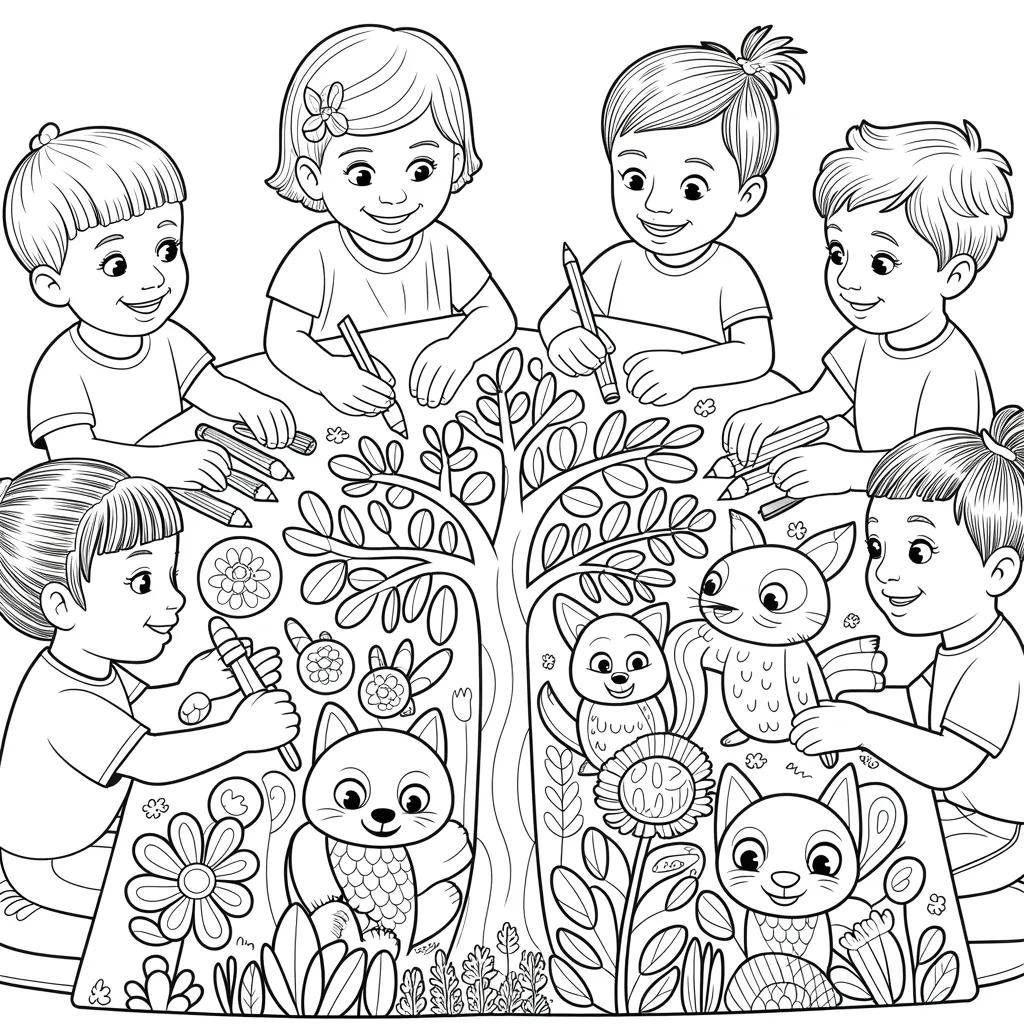
When children grasp and manipulate coloring tools, they strengthen the small muscles in their hands and fingers that will later be essential for writing, buttoning clothes, and other precision tasks:
- Finger Strength: Applying pressure with crayons and colored pencils builds muscle tone in tiny hands.
- Coordination: Controlling coloring tools within specific boundaries requires precise coordination.
- Proper Grip Development: Regular coloring naturally encourages the tripod grip needed for efficient handwriting.
- Hand Endurance: Extended coloring sessions build stamina in hand muscles that fatigue easily in young children.
- Bilateral Coordination: Many coloring activities require using both hands – one to stabilize the paper, the other to color.
Visual-Motor Integration Enhancement
Coloring creates connections between visual input and physical movement:
- Hand-Eye Coordination: Children must coordinate what they see with how they move their hands.
- Spatial Awareness: Understanding boundaries and spatial relationships on paper transfers to real-world spatial concepts.
- Visual Perception: Distinguishing shapes, patterns, and spaces on coloring pages strengthens visual discrimination abilities.
- Crossing the Midline: Coloring across a page encourages the ability to work across the body’s central line – a crucial developmental milestone.
Cognitive Benefits of Coloring for Children
The mental stimulation provided by coloring supports multiple aspects of brain development.
Focus and Attention Improvement
In an age of constant distraction, coloring naturally promotes concentration:
- Sustained Attention: Completing a coloring page requires maintaining focus on a single task.
- Task Persistence: Children learn to continue working until reaching completion.
- Distraction Filtering: The engaging nature of coloring helps children tune out irrelevant stimuli.
- Attention to Detail: Noticing small elements on coloring pages enhances observational skills.
Pre-Academic Skill Development
Coloring serves as early preparation for numerous academic abilities:
- Color Recognition: Children learn to identify, differentiate, and name various colors and shades.
- Shape Understanding: Coloring pages featuring different shapes build geometric awareness.
- Pattern Recognition: Many coloring activities incorporate patterns that help children identify sequences.
- Boundary Awareness: Staying within lines develops the same skills needed for writing within ruled spaces.
- Symbolic Thinking: Connecting colored images to real-world objects builds representational thought.
Emotional and Social Benefits of Coloring for Children
The psychological advantages of coloring support emotional wellbeing and social development.
Emotional Regulation and Expression
Coloring offers therapeutic benefits for emotional development:
- Stress Reduction: The rhythmic, focused nature of coloring has a calming, meditative effect on the nervous system.
- Emotional Processing: Children often process feelings through color choices and how vigorously they apply color.
- Self-Expression: Even within structured coloring pages, children make creative choices that reflect their personalities.
- Confidence Building: Completing a coloring page provides a sense of accomplishment and mastery.
- Mindfulness Practice: Coloring naturally encourages present-moment awareness – a fundamental mindfulness skill.
Social Interaction Through Coloring
When integrated into social settings, coloring builds interpersonal skills:
- Cooperation: Group coloring projects teach children to work together toward shared goals.
- Conversation Skills: Coloring activities often spark natural discussions about choices and preferences.
- Sharing Resources: Learning to share coloring tools develops generosity and negotiation.
- Giving and Receiving Feedback: Children naturally comment on each other’s work, learning appropriate ways to interact.
- Respect for Differences: Seeing how others approach the same coloring page builds appreciation for different perspectives.

Creative Benefits of Coloring for Children
Creativity flourishes through regular coloring experiences.
Imagination and Self-Expression Development
Coloring nurtures creative thinking:
- Color Decision-Making: Each color choice represents a creative decision.
- Personal Interpretation: How children color reflects their unique vision and perspective.
- Experimentation: Combining colors and techniques encourages innovative thinking.
- Storytelling Enhancement: Children often create narratives about the scenes they color.
- Artistic Confidence: Regular coloring builds comfort with creative expression.
Color Theory and Artistic Foundations
Basic artistic concepts emerge naturally through coloring:
- Color Relationships: Children discover which colors complement or contrast with others.
- Composition Understanding: Coloring within defined spaces builds awareness of layout and design.
- Shading and Dimension: Advanced coloring introduces concepts of light, shadow, and depth.
- Style Development: Over time, children develop their own distinctive coloring preferences and techniques.
- Art Appreciation: Regular coloring builds greater interest in and understanding of visual arts.
How to Maximize the Benefits of Coloring for Children
Strategic approaches enhance coloring’s developmental impact.
Age-Appropriate Coloring Materials
Providing suitable tools ensures optimal development:
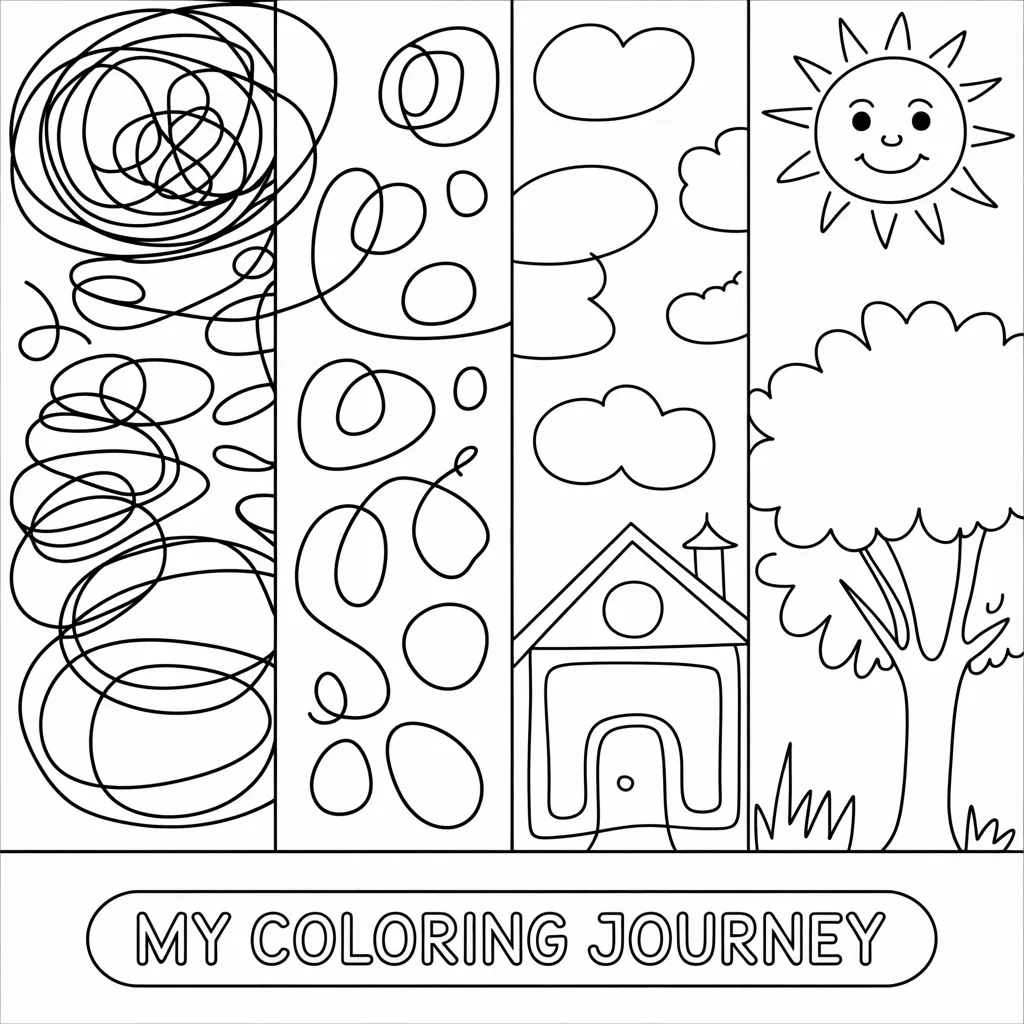
- Ages 1-2: Chunky, unwrapped crayons and large paper for scribbling
- Ages 3-4: Triangular crayons, thick colored pencils, and simple outlined images
- Ages 5-6: Standard crayons, markers, varied coloring books with moderate detail
- Ages 7+: Fine-tipped markers, quality colored pencils, and more complex coloring pages
Supportive Adult Interaction
How adults engage during coloring significantly impacts its benefits:
- Process-Focused Comments: « You’re using so many different blues! » rather than « That’s so pretty! »
- Open-Ended Questions: « Tell me about what you’re coloring » encourages verbal expression.
- Vocabulary Building: Introduce words like « shade, » « blend, » « outline, » or « highlight » during coloring.
- Judgment-Free Zone: Accepting unusual color choices supports creativity and confidence.
- Modeling Enjoyment: When adults color alongside children, they demonstrate that creativity is valuable at any age.
Conclusion
The benefits of coloring for children span physical, cognitive, emotional, social, and creative domains, making it one of the most comprehensively valuable activities available to young learners. This simple, accessible practice builds essential developmental foundations while simultaneously providing enjoyment and relaxation. In a world increasingly dominated by passive screen entertainment, the active engagement of coloring offers a refreshing alternative that strengthens mind-body connections and nurtures self-expression. By intentionally incorporating regular coloring opportunities into children’s routines, parents and educators provide not just an entertaining pastime, but a powerful developmental tool that will serve children throughout their educational journey and beyond.
Coloring Activities Preschool: 30 Engaging Ideas to Boost Early Development
FAQ About the Benefits of Coloring for Children
At what age should children start coloring activities?
Children can begin exploring coloring as early as 12-18 months, though early « coloring » resembles experimental scribbling rather than controlled mark-making. Provide thick, unwrapped crayons and large paper for toddlers, focusing on the sensory experience rather than creating recognizable images. By ages 2-3, children develop more intentional control and may begin enjoying simple coloring pages with large, bold outlines. Remember that developmental readiness varies significantly between children – follow your child’s interest and abilities rather than strict age guidelines. The benefits of coloring emerge regardless of when a child begins, so there’s no need to rush or delay based on arbitrary timelines.
How can I encourage a child who shows little interest in coloring?
Rather than forcing coloring activities, try these engagement strategies: First, consider whether the materials match the child’s developmental level – some children avoid activities that feel too challenging. Try alternative tools like dot markers, finger paints, or digital coloring for children who dislike traditional crayons. Connect coloring to the child’s specific interests by finding pages featuring favorite characters, animals, or vehicles. Introduce coloring alongside other activities by incorporating it into storytelling or using it as a treasure hunt (hiding small stickers for them to find and color around). Finally, make it social by coloring alongside them without pressure – children often become interested in activities they see adults enjoying.
Is digital coloring as beneficial as traditional coloring with physical materials?
Digital coloring offers some similar cognitive and creative benefits but doesn’t provide the same fine motor development as physical coloring. While digital options can enhance color recognition, decision-making, and creative expression, they don’t develop hand strength, proper pencil grip, or the tactile feedback that builds crucial brain-body connections. The ideal approach combines both formats: use traditional coloring for essential physical development while supplementing with high-quality digital options when appropriate. When selecting digital coloring apps, choose those with minimal distractions, few or no ads, and features that encourage actual coloring rather than just tapping to fill spaces automatically.
How can coloring help children with special needs or learning differences?
Coloring offers numerous benefits for children with diverse learning needs. For children with ADHD, coloring can improve focus and attention span while providing calming sensory input. Children with autism spectrum disorders often benefit from the predictable, structured nature of coloring while developing fine motor skills and emotional regulation. For those with anxiety, coloring serves as a mindfulness activity that reduces stress and creates a sense of control. Children with fine motor delays can build hand strength and coordination through adapted coloring activities using specialized grips, thicker tools, or vertical surfaces. The key is customizing the experience to each child’s specific needs – perhaps using textured coloring surfaces for sensory seekers or simplified designs for those easily overwhelmed by visual stimuli.
How long should children spend coloring each day?
There’s no prescribed « right » amount of coloring time, as appropriate duration varies based on age, interest, and developmental needs. For toddlers, 5-10 minutes of focused coloring represents a reasonable expectation, while older children might happily engage for 20-30 minutes or more. Rather than setting strict time requirements, follow these guidelines: observe engagement cues and transition to new activities when interest naturally wanes; balance coloring with other types of play and physical activity; appreciate that some days will inspire longer creative sessions while others might not include coloring at all; and remember that quality engagement matters more than quantity of time. The goal is fostering enjoyment of the process, not meeting specific duration targets.