
Tracing may seem like a simple activity, but its impact on a child’s development runs deeper than many parents and educators realize. As children carefully follow lines and shapes with their pencils, they’re not just creating pictures—they’re building essential skills that will benefit them for years to come. From fine motor development to cognitive enhancement, the benefits of tracing for children extend far beyond the page. This overlooked activity serves as a fundamental building block for writing readiness, concentration, and even spatial awareness. Let’s explore how this humble practice can become a powerful tool in your child’s developmental journey.
The Fundamental Benefits of Tracing for Children
Developing Fine Motor Skills Through Regular Tracing
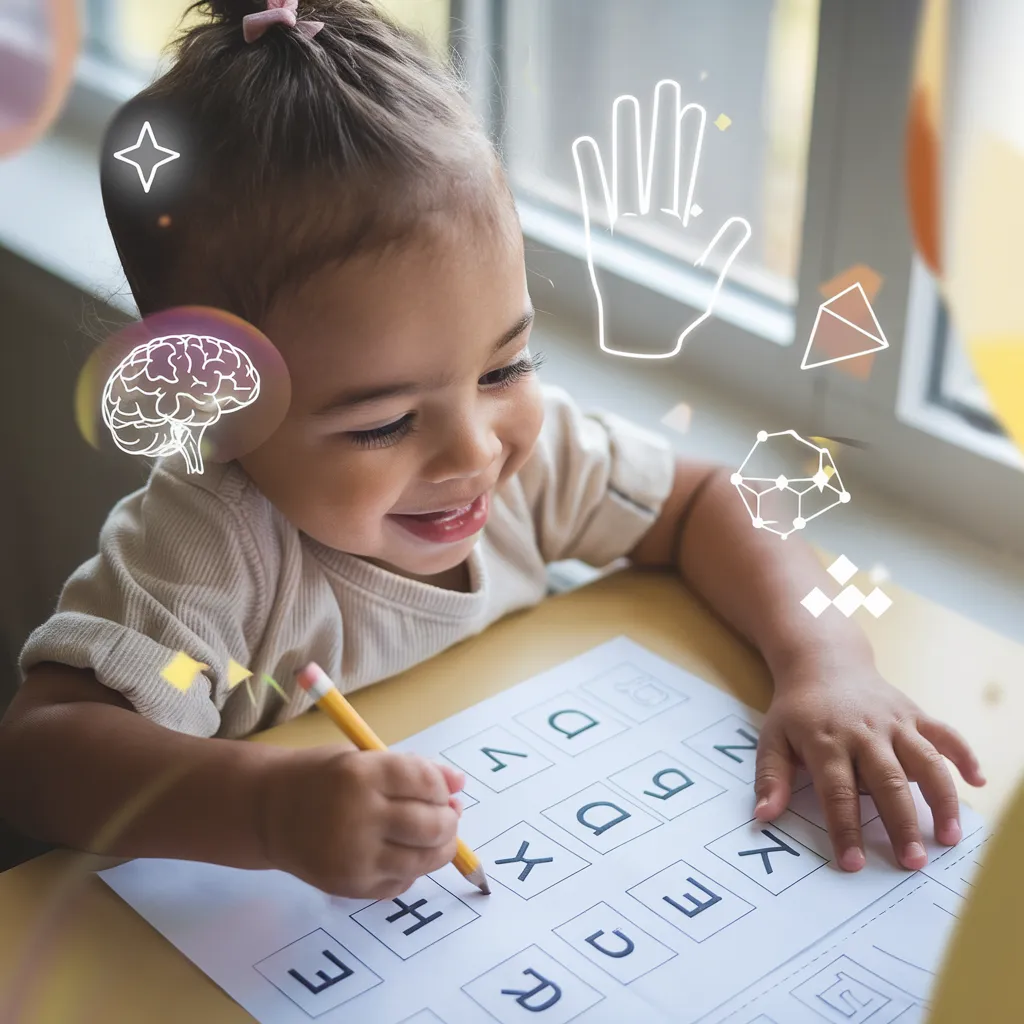
One of the most significant benefits of tracing for children is the development of fine motor skills. When a child traces lines, shapes, letters, or numbers, they’re strengthening the small muscles in their hands and fingers. These are the same muscles needed for writing, buttoning clothes, tying shoelaces, and handling utensils.
Tracing requires children to hold writing tools properly and make controlled movements. This precision helps improve hand-eye coordination and dexterity. As these muscles develop, children gain more control over their movements, resulting in neater handwriting and greater confidence in various fine motor tasks.
For preschoolers and kindergarteners, tracing provides a structured way to practice these skills before advancing to independent writing. Children who regularly engage in tracing activities often transition more smoothly to handwriting because their hand muscles are already strengthened and prepared.
Cognitive Development and Brain Connection

Tracing engages multiple areas of the brain simultaneously. As children focus on following lines, they’re processing visual information, planning motor movements, and maintaining attention—all at once.
This neural activity helps strengthen brain connections, particularly between visual and motor centers. These connections are crucial for reading, writing, and other academic skills. Additionally, the repeated practice of tracing helps create neural pathways that make future learning more efficient.
Building Pre-Writing Skills Naturally
Before children can write independently, they need to develop several pre-writing skills. Tracing serves as an ideal stepping stone in this process by helping children:
- Understand that print carries meaning
- Learn proper pencil grip
- Practice consistent left-to-right progression
- Recognize letter and number formations
- Build writing stamina
Through tracing, children gain familiarity with the shapes and movements required for writing without the pressure of creating letters from memory. This gradual approach builds confidence and prevents frustration.
Psychological and Academic Benefits of Tracing

Enhancing Focus and Concentration
In our digital age, many children struggle with attention spans. Tracing offers a perfect opportunity to strengthen concentration skills. The activity requires children to focus on following lines precisely, encouraging sustained attention.
Starting with simple shapes and gradually progressing to more complex designs can help children build their capacity for focused work. This improved concentration transfers to other academic activities and classroom behaviors.
Boosting Spatial Awareness and Geometric Understanding
When children trace various shapes, they develop a better understanding of spatial relationships and geometry. They learn about:
- Proportions and sizes
- Directional concepts (up, down, left, right)
- Shapes and their characteristics
- Patterns and symmetry
These spatial concepts form the foundation for more advanced mathematical thinking and problem-solving abilities. Children who have strong spatial awareness often excel in math, science, and creative disciplines.
Building Confidence Through Measurable Progress
Tracing provides children with clear, visible progress. As they improve their tracing accuracy and speed, children experience a sense of accomplishment that builds self-confidence.
For children who struggle with more complex tasks, tracing offers an accessible activity where they can succeed. This success creates positive associations with learning and motivates them to tackle more challenging activities.
Creative and Practical Applications of Tracing
From Tracing to Drawing: Nurturing Creativity
While tracing begins as a structured activity, it naturally evolves into more creative expression. Once children master basic tracing, they can use these skills to:
- Add details to traced outlines
- Combine traced elements into new compositions
- Gradually transition to independent drawing
Many professional artists use tracing as a technique in their work. By introducing tracing as a valid artistic method, we help children understand that all creative skills develop through practice and technique.
Real-World Applications of the Benefits of Tracing for Children
The skills developed through tracing extend far beyond art and writing. They prepare children for numerous real-world applications:
- Reading maps and following directions
- Interpreting diagrams and visual instructions
- Performing detailed work in science, art, and technology
- Developing handwriting that’s legible and efficient
- Building patience and persistence for complex tasks
These practical applications demonstrate why tracing deserves a prominent place in both home and educational settings.
Implementing Effective Tracing Activities
Age-Appropriate Tracing Materials and Progression
To maximize the benefits of tracing for children, it’s essential to provide age-appropriate materials:
For toddlers (2-3 years):
- Large, simple shapes with thick outlines
- Chunky pencils or crayons
- Sensory tracing options (sand trays, finger paint)
For preschoolers (3-5 years):
- Letters, numbers, and basic pictures
- Connect-the-dot activities
- Standard pencils with grips
For school-age children (6+ years):
- Complex patterns and designs
- Cursive letters
- Drawing guides with graduated steps
This progression ensures that children continue to be challenged while experiencing success.
Conclusion
The benefits of tracing for children extend throughout their development—physically, cognitively, and emotionally. This simple activity lays groundwork for essential academic and life skills while building confidence. By incorporating regular tracing activities into a child’s routine, parents and educators provide valuable learning opportunities that balance structure with creativity.
Whether tracing shapes, letters, or intricate designs, children are developing skills that will serve them well throughout their education and beyond. So the next time your child picks up a tracing sheet, remember that they’re doing much more than just following lines—they’re building neural pathways, strengthening muscles, and developing concentration that will benefit them for years to come.
18 Effective Name Tracing Worksheets That Build Essential Early Literacy Skills
FAQ
At what age should children start tracing activities?
Children can begin simple tracing activities as early as 18-24 months, starting with finger tracing on textured surfaces or large, simple shapes. By age 3-4, most children are ready for pencil-and-paper tracing with proper guidance. Remember that developmental readiness varies among children, so follow your child’s interest and ability rather than focusing strictly on age.
How often should children practice tracing?
Quality matters more than quantity. Short, focused tracing sessions (5-15 minutes) several times a week are more beneficial than lengthy, frustrating sessions. For younger children, incorporate tracing into play rather than treating it as a separate academic exercise. Increase duration gradually as attention spans develop.
My child gets frustrated when tracing. What should I do?
Frustration often indicates that the tracing activity is too advanced. Try moving to simpler shapes with thicker lines, using tracing paper over bold images, or providing hand-over-hand guidance. Ensure the writing tool is comfortable for your child’s grip. Most importantly, keep sessions positive and pressure-free—the benefits of tracing for children are diminished when the experience becomes stressful.
Is tracing as valuable as free drawing for development?
Both activities offer unique developmental benefits. Tracing provides structure and helps build specific skills like precision and letter formation, while free drawing encourages creativity and self-expression. A balanced approach that includes both tracing and free drawing gives children the full spectrum of artistic and developmental opportunities.
Can digital tracing apps provide the same benefits as paper tracing?
While digital tracing apps can reinforce visual recognition and provide engaging practice, they don’t fully replace the tactile benefits of traditional paper tracing. Physical tracing develops pencil grip, pressure control, and proprioceptive feedback that digital alternatives can’t replicate. If using digital tracing tools, balance them with plenty of hands-on tracing experiences for complete developmental benefits.